Selling a Downtown San Jose condo is not the same as selling a house with a front yard and big curb appeal. In a condo, buyers often make their first impression from photos, views, layout, and how spacious the unit feels during a short showing. If you want to attract serious interest and avoid preventable delays, the right prep plan can make a big difference. Let’s dive in.
Why condo prep works differently
When you sell a condo in Downtown San Jose, you are usually selling light, flow, and function as much as the square footage itself. Smaller urban floor plans tend to show every furniture choice, every cluttered corner, and every blocked window more clearly than a larger home.
That is one reason staging matters so much. According to recent NAR staging research, 83% of buyers’ agents said staging made it easier for buyers to picture a property as their future home. The living room, primary bedroom, and kitchen stood out as the spaces buyers cared about most.
Condo prep also includes more paperwork than many sellers expect. In California, your prep process should include required disclosure forms and the HOA document package well before you list, not after you accept an offer.
Start prep earlier than you think
A strong condo sale usually starts months before the listing goes live. If you give yourself time, you can handle repairs, confirm paperwork, and make smarter choices about what is worth updating.
3 to 12 months before listing
This is the time to gather records and identify issues that could slow down your sale later. If you remodeled your kitchen, changed flooring, updated electrical, or altered walls, now is the time to confirm the permit history and inspection records through the City of San José’s online permit tools.
It is also smart to request HOA documents early. Under California law, the association has 10 days to provide requested disclosure documents after a written request, so waiting until the last minute can create avoidable escrow pressure.
Take a careful look at deferred maintenance too. Small issues can pile up fast in a condo, especially when buyers are comparing your home to other move-in-ready listings.
60 to 90 days before listing
This is usually the best window to start visible improvements. Focus on the items that make a home feel worn or neglected, such as scuffed walls, old caulk, dripping faucets, loose hardware, worn grout, noisy fans, and broken blinds.
You should also confirm which repairs belong to you and which may be HOA responsibilities. In condo buildings, shared elements like balconies, walkways, or waterproofing systems may not fall entirely on the owner, so it is important to verify responsibility before spending money.
This is also the right time to declutter and remove oversized furniture. In a downtown condo, scale matters. The goal is to make every room feel easy to move through and easy to imagine living in.
2 to 4 weeks before listing
As your list date gets closer, shift into presentation mode. Deep clean the unit, finish paint touch-ups, polish windows and mirrors, and get the condo camera-ready.
This is when staging and photography should come together. NAR’s 2025 staging report found that 49% of sellers’ agents saw reduced market time when a home was staged, and 29% reported a 1% to 10% increase in the dollar value offered.
Focus on the repairs buyers notice first
Not every repair needs to happen before you sell, but the visible and easy-to-question items usually deserve attention. Buyers tend to react quickly to anything that suggests poor upkeep or possible hidden problems.
Before listing, pay close attention to:
- Water stains
- Active or past leaks
- Failing caulk or grout
- Loose fixtures or hardware
- Nonfunctioning switches or outlets
- Broken blinds
- Noisy bathroom or kitchen fans
- Unpermitted upgrades
In Downtown San Jose condos, permit issues can become especially important because buyers can compare the home’s condition with city records. If a remodel does not match the paperwork, it can lead to extra questions during escrow.
Make the space feel larger in photos
Because condo buyers often start online, listing photos do a lot of the heavy lifting. A clean, well-staged unit can help buyers understand the layout faster and decide your home is worth seeing in person.
Highlight windows and views
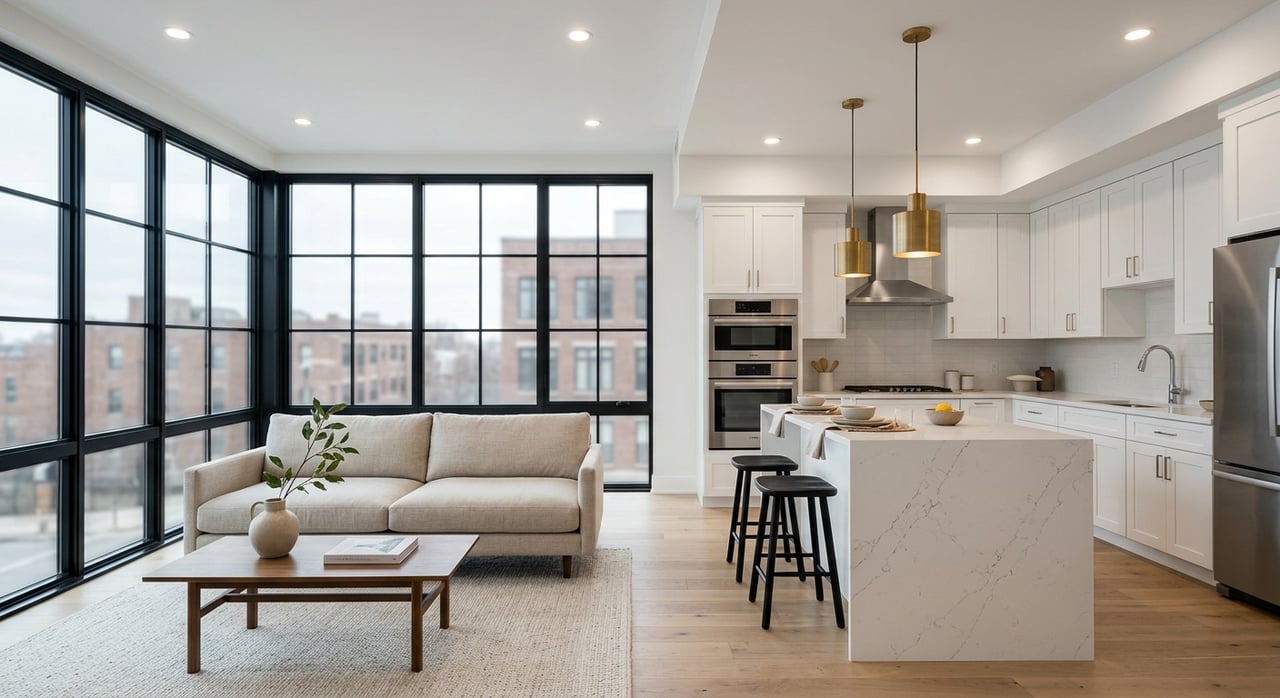
If your condo has city views, a balcony, or strong natural light, make those features part of the presentation. Clean the glass, open the window coverings for photos and showings, and remove furniture that blocks sight lines.
In many Downtown San Jose condos, the windows are a major selling feature. When they are covered, crowded, or visually cut off, the unit can feel smaller and darker than it really is.
Use smaller-scale furniture
Large sectionals, heavy dining sets, and bulky storage pieces can overwhelm a compact floor plan. Smaller-scale furniture helps show circulation space and makes each room feel more functional.
This matters most in the living room, primary bedroom, and kitchen, which are the rooms buyers’ agents most often say deserve staging attention. If your furniture fits the room instead of dominating it, buyers can better understand how they would use the space.
Keep surfaces simple
Clear countertops, tidy shelves, and minimal decor usually work best. In a condo, too many objects can make rooms feel busy and reduce the visual impact of the finishes, storage, and natural light.
Aim for clean and intentional, not empty and cold. You want the home to feel polished, calm, and easy to maintain.
Get your HOA documents ready
For condo sellers, paperwork is part of the product. Buyers are not just evaluating the unit. They are also reviewing the association’s financial and operational documents to understand the property more fully.
California’s condo transfer requirements may include:
- HOA governing documents
- The most recent annual budget report
- Reserve summary information
- Current assessment information
- Any unpaid assessments or fines
- Unresolved violation notices
- Board minutes from the prior 12 months, if requested
- The latest required inspection report for exterior elevated elements
The HOA may charge a reasonable fee for preparing and providing these materials. Sellers are responsible for those costs, although you can provide copies already in your possession at no cost.
Do not overlook balcony and exterior issues
In many condo communities, balconies, decks, and elevated walkways require special attention. California Civil Code section 5551 requires condominium associations to visually inspect exterior elevated elements at least every nine years and keep written reports for two inspection cycles.
If an exterior elevated element is found to be an immediate safety threat, the association must restrict access until repairs are approved. For sellers in downtown buildings with balconies or similar features, this is one more reason to understand the status of HOA inspections early in the process.
Complete your disclosures carefully
Your sale prep should also include required California disclosure forms. The Real Estate Transfer Disclosure Statement is the standard form for residential transfers, and the Natural Hazard Disclosure Statement may be required depending on mapped hazard zones or similar local conditions.
If you know about issues that are not fully addressed in those forms, review them with your agent and disclose them appropriately. Clear, complete disclosures help reduce surprises later and support a smoother transaction.
Why full-service support matters
Selling a condo can feel like managing several projects at once. You may need to coordinate the HOA, confirm permit records, schedule cleaners and stagers, line up photography, manage repairs, and stay on top of disclosure timing.
That is where a full-service approach can save you time and stress. With Elsa Garza’s hands-on transaction experience, staging and repair coordination, and local South Bay market knowledge, you can move through the process with one clear plan instead of juggling everything on your own.
If you are preparing to sell your Downtown San Jose condo and want a smoother path from prep to closing, connect with Elsa Garza for thoughtful guidance and full-service support.
FAQs
What should I fix before selling a Downtown San Jose condo?
- Focus first on visible issues like scuffed walls, broken blinds, loose hardware, worn caulk or grout, noisy fans, leaking faucets, water stains, nonworking outlets or switches, and any upgrade that may not have been permitted.
When should I request HOA documents for a California condo sale?
- Request them as early as possible because California law gives the association 10 days to provide requested disclosure documents after a written request.
What HOA documents do buyers usually want for a condo purchase?
- Buyers commonly want governing documents, the annual budget report, reserve summary, current assessments, unpaid assessment or fine information, unresolved violation notices, board minutes if requested, and the latest exterior elevated element inspection report.
How can I check permit history for my Downtown San Jose condo?
- You can use the City of San José’s online permit-status and inspection-record tools to compare your condo’s updates with the official permit history.
Does staging really help sell a Downtown San Jose condo?
- Yes. Recent NAR research found that staging helps buyers visualize a home, and sellers’ agents reported that staging often reduced market time and sometimes increased the value offered.
What disclosures are commonly required when selling a condo in California?
- Common disclosures include the Real Estate Transfer Disclosure Statement and, when applicable, the Natural Hazard Disclosure Statement, along with any other known material issues that should be disclosed appropriately.