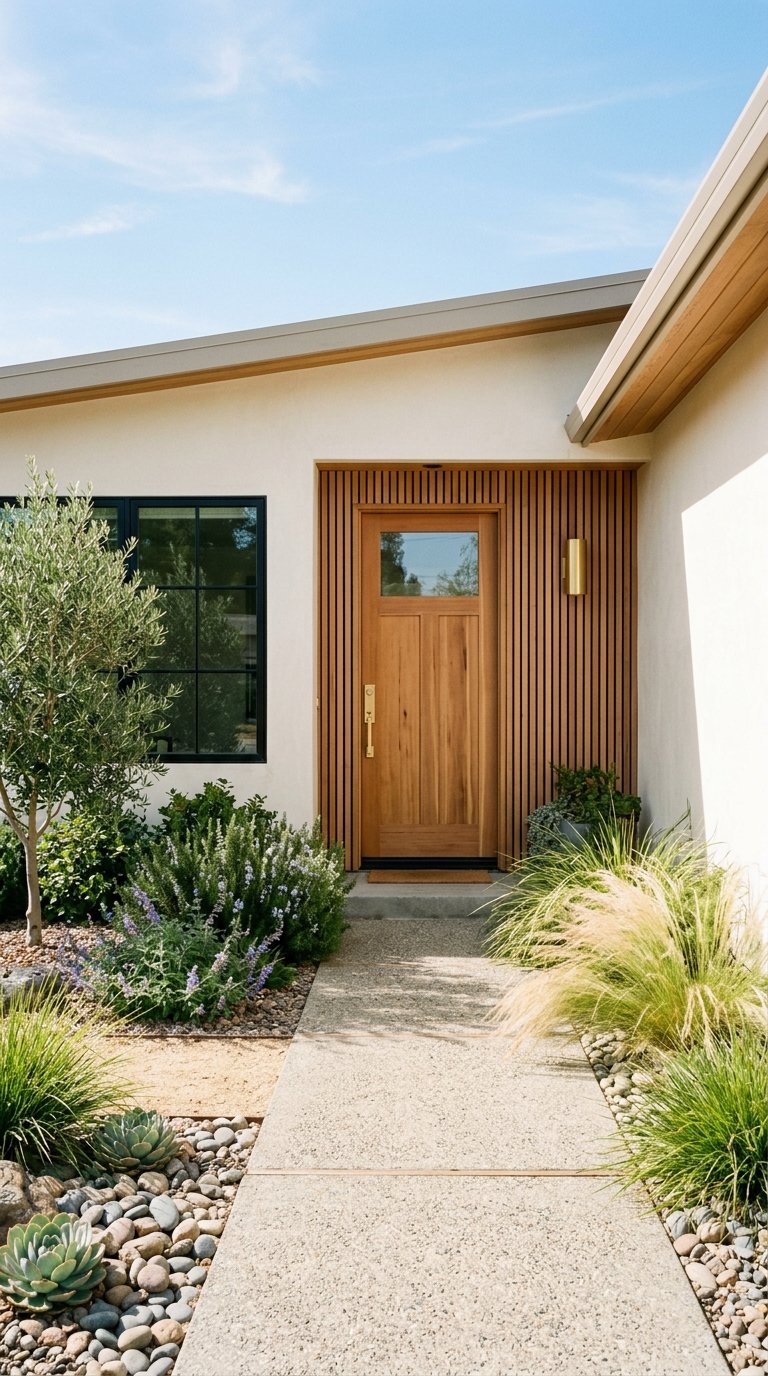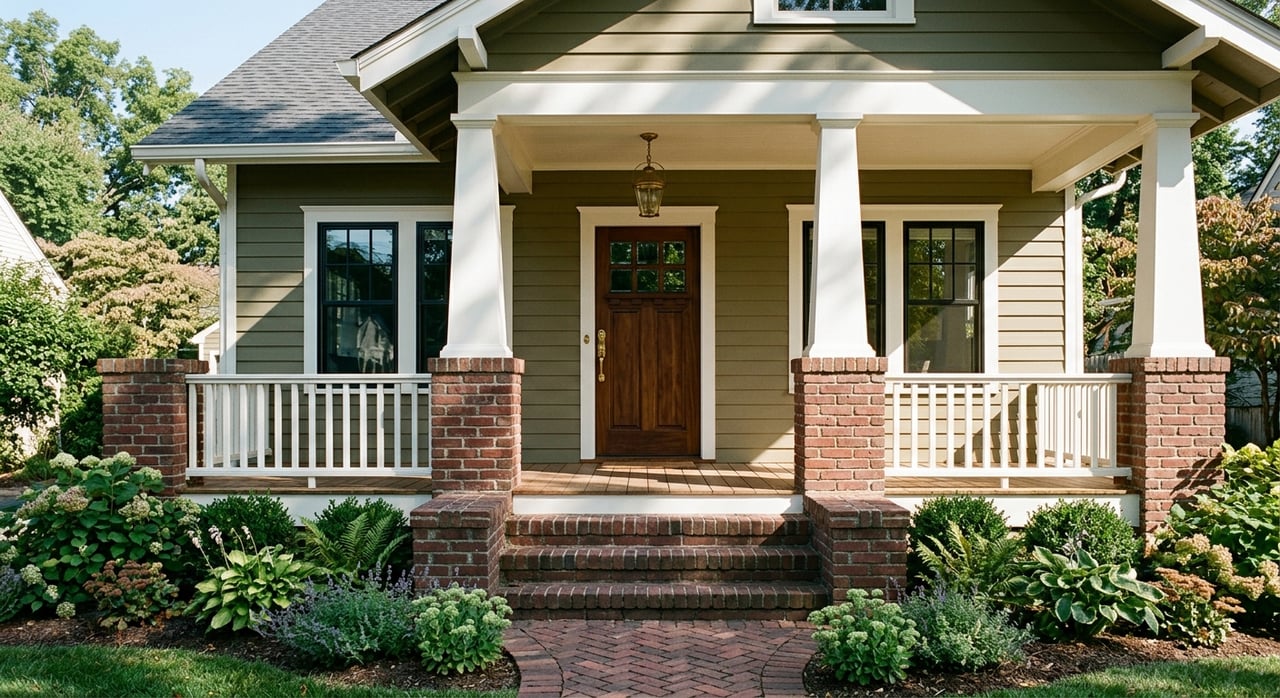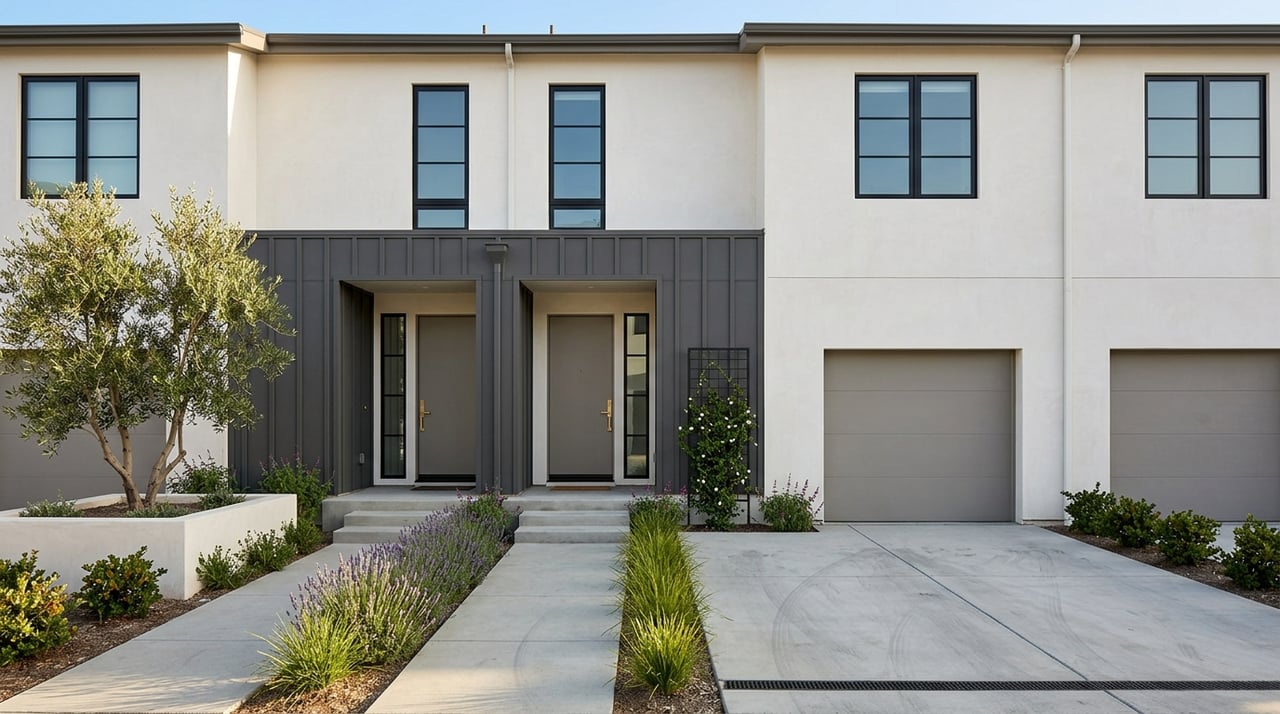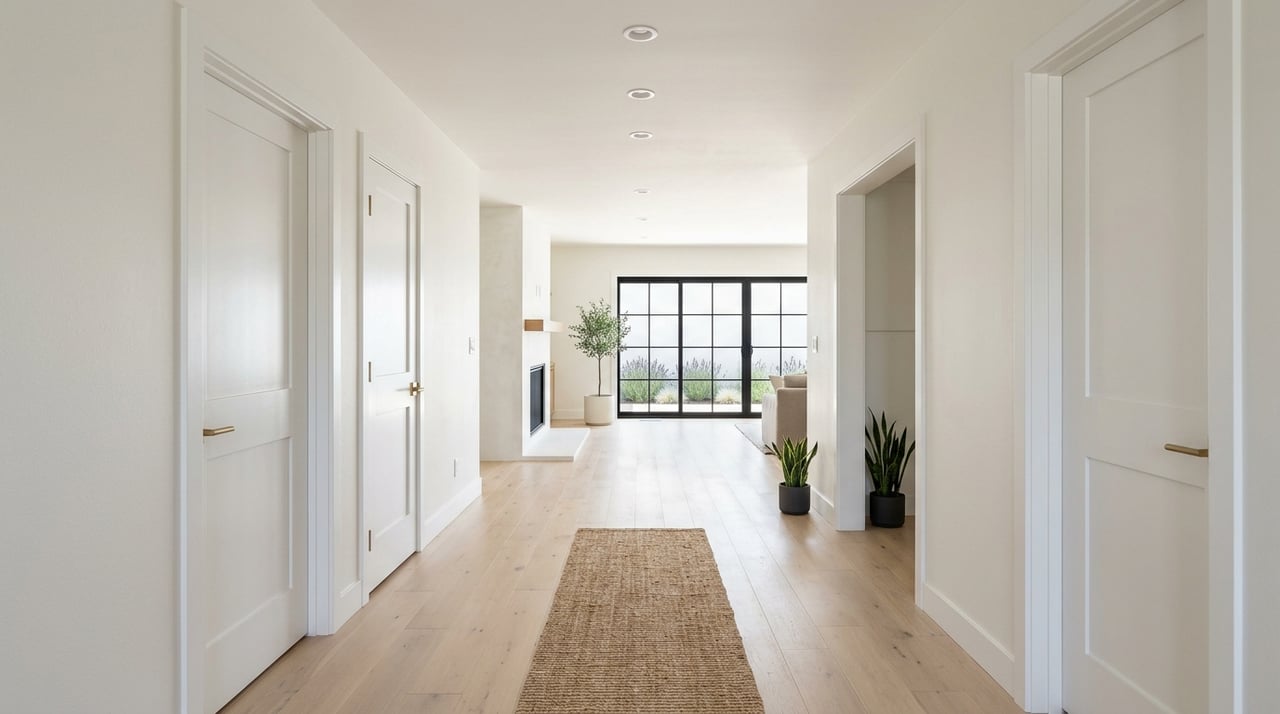
Wondering whether to buy a fixer-upper or pay more for move-in ready in Cambrian Park? In a fast, high-priced market, that choice can affect your budget, timeline, and stress level more than you might expect. If you are trying to balance value, competition, and renovation risk, this guide will help you compare both paths with Cambrian Park in mind. Let’s dive in.
Cambrian Park Market Basics
Cambrian Park is a neighborhood in San José, and the local market moves quickly. As of March 31, 2026, Zillow reports an average home value of $1,858,078, a median sale price of $1,702,833, and a median of 9 days to pending.
That speed matters when you are deciding how much project risk to take on. Zillow also reports that 71.1% of recent sales closed over list price, while Redfin describes the area as highly competitive, with many homes receiving multiple offers.
The housing stock also shapes this decision. Point2Homes reports that 73.8% of homes are detached single-family properties, and the median construction year is 1966, which means many buyers in Cambrian Park are looking at older homes where updates may be part of the equation.
Why Older Homes Change the Choice
In Cambrian Park, the fixer-upper versus move-in ready question is not just about style. It is often about how much work an older home may need, how quickly you want to settle in, and whether you have room in your budget after closing.
National renovation data offers a useful guide for the kinds of projects older homes commonly need. Houzz reports that in 2024, 69% of renovating homeowners completed interior room projects, 63% worked on home systems like HVAC, plumbing, and electrical, and 58% tackled exterior projects.
For a Cambrian Park buyer, that can translate into likely early priorities such as kitchen and bath updates, system modernization, roofing, windows or skylights, exterior paint, siding or stucco, and insulation. In other words, cosmetic appeal is only one part of the picture.
What a Fixer-Upper May Need
A fixer-upper in Cambrian Park can offer a chance to create the home you want, but it helps to look past paint colors and flooring. In many older properties, the most important costs may be hidden behind the walls or above the ceiling.
Interior Updates
Kitchens and bathrooms are still the most common interior remodel targets. Houzz reports a national median spend of $22,000 for a kitchen remodel and $13,000 for a primary bathroom remodel.
If the work is more extensive, costs can rise fast. Houzz places major small kitchens at a $35,000 median and major large kitchens at $55,000, while major small primary bathrooms reach $17,000 and major large primary bathrooms hit $25,000.
Systems and Structure
Visible finishes matter, but systems often matter more. Houzz found that plumbing and electrical were top priorities for renovating homeowners, with median plumbing spend at $1,500 and heating upgrades at $5,600.
In an older home, it is smart to think carefully about the condition of electrical, plumbing, heating, cooling, and ventilation. These are not always the upgrades you notice first during a showing, but they can drive both cost and timeline.
Exterior and Curb Appeal
Exterior work is also common, especially in established neighborhoods with aging housing stock. Houzz reports median spends of $13,000 for roofing, $7,000 for windows or skylights, and $2,000 for exterior paint.
Outdoor projects can also add up. Lighting, security, irrigation, beds and borders, lawns, patios, fences, and decks all show up frequently in renovation plans, which means the yard may need just as much thought as the interior.
What the Budget Can Really Look Like
A fixer-upper can seem like the lower-cost option at first glance, but the full math matters. Houzz reports that 43% of renovation budgets in 2024 fell between $10,000 and $49,999, while 16% exceeded $100,000.
A simple example shows how quickly the costs can stack. Using national median figures from Houzz, a kitchen remodel, a primary bathroom remodel, and a roof total about $48,000. Add windows or skylights, and you are already around $55,000 before major layout changes, structural work, or unexpected repairs.
Funding matters too. Houzz reports that 84% of homeowners used savings for renovations, and even for larger projects between $50,000 and $200,000, 81% still used cash while 18% used secured home loans.
For you as a buyer, that means the purchase price is only part of the decision. If you are considering a fixer, you may want a post-close reserve for early repairs, system updates, and the surprises that older homes can bring.
Timeline and Permit Reality in San José
Budget is only half the story. In Cambrian Park, your renovation timeline can also affect whether a fixer-upper feels manageable or overwhelming.
The City of San José says some qualifying single-family or duplex projects may be issued through Over-the-Counter service during the visit if plans and documents are accurate. Some qualifying single-family projects may also use Residential Express through an online meeting, though that comes with a premium fee equal to 1.5 times the plan-review fee.
Larger projects move into Standard Plan Review. That includes additions over 500 square feet or remodels over 750 square feet on a one-story single-family home, and the City notes that review does not begin until fees are paid and complete plans are uploaded.
The City’s annual report also says plan review is taking longer than normal and recommends adding 2 to 3 weeks to planning assumptions. It reports average initial plan review times of 12 days for single-family additions or alterations and 26 days for new construction in 2024-25.
That does not mean every project will drag on, but it does mean a move-in ready home may buy you more timing certainty. If you need to relocate quickly or prefer fewer moving parts, that can be a major advantage.
When a Fixer-Upper Makes Sense
A fixer-upper can be the right choice in Cambrian Park if you are buying with a clear plan rather than just chasing a lower list price. In a competitive market, the best fixer candidates are often the homes with solid basics and a realistic update path.
A fixer may fit you well if:
- You have cash reserves after closing
- You are comfortable managing improvements over time
- You can handle some uncertainty in budget and timing
- The home’s likely work is limited to a manageable scope
- You want the chance to customize finishes and layout over time
This path can be especially appealing if you are willing to improve a home in stages. You may not need to do everything at once, but you do want to know which projects are essential early on.
When Move-In Ready Makes More Sense
In Cambrian Park, move-in ready often buys more than updated finishes. It can also buy predictability in a market where homes move fast and competition is strong.
A move-in ready home may be the better fit if:
- You are already stretching to compete on price
- You have limited extra cash for repairs or upgrades
- You want a simpler move with fewer unknowns
- You have a low tolerance for permit delays or contractor coordination
- You need a home that works for your timeline right away
For many buyers, that convenience has real value. In a neighborhood where homes can go pending in about 9 days, reducing post-close complexity can be worth paying for.
How to Decide in Cambrian Park
The best choice usually comes down to your finances, timeline, and comfort with risk. A fixer-upper can create long-term upside, but only if the work stays within a scope you can realistically handle.
A move-in ready home may cost more upfront, but it can protect your time, cash reserves, and peace of mind. In a market like Cambrian Park, that tradeoff is often worth serious consideration.
As you compare homes, focus on a few simple questions:
- How much cash will you have left after closing?
- Are you prepared for repairs that are not visible at first?
- How soon do you need the home to feel functional and settled?
- Would permit review or contractor scheduling create real stress for you?
- Are you buying for customization, convenience, or a balance of both?
A clear answer to those questions can help you avoid buying the wrong type of home for your real-life needs.
If you are weighing fixer-upper versus move-in ready in Cambrian Park, local context matters. A knowledgeable guide can help you compare not just list prices, but renovation exposure, timing, and how competitive each option may be. When you are ready to talk through your next move, connect with Elsa Garza.
FAQs
What does move-in ready mean for Cambrian Park buyers?
- For Cambrian Park buyers, move-in ready usually means a home that needs little to no immediate work, which can reduce budget surprises and help you settle in faster.
Are fixer-uppers common in Cambrian Park?
- Older housing stock makes renovation questions fairly common in Cambrian Park, since many homes were built decades ago and may need updates to interiors, systems, or exterior features.
How fast is the Cambrian Park housing market?
- Zillow reported a median of 9 days to pending as of March 31, 2026, which shows that Cambrian Park remains a fast-moving market.
What renovations are most likely in an older Cambrian Park home?
- Based on the area’s older housing stock and national renovation patterns, likely projects include kitchens, bathrooms, plumbing, electrical, roofing, windows or skylights, and exterior improvements.
How much should Cambrian Park buyers budget for a fixer-upper?
- The right number depends on the home, but Houzz data shows many renovation budgets fall between $10,000 and $49,999, and larger projects can exceed $100,000, so a post-close reserve is important.
How do San José permits affect Cambrian Park fixer-uppers?
- Permit timing can affect your renovation schedule because some smaller projects may qualify for faster review paths, while larger remodels can require Standard Plan Review and extra planning time.