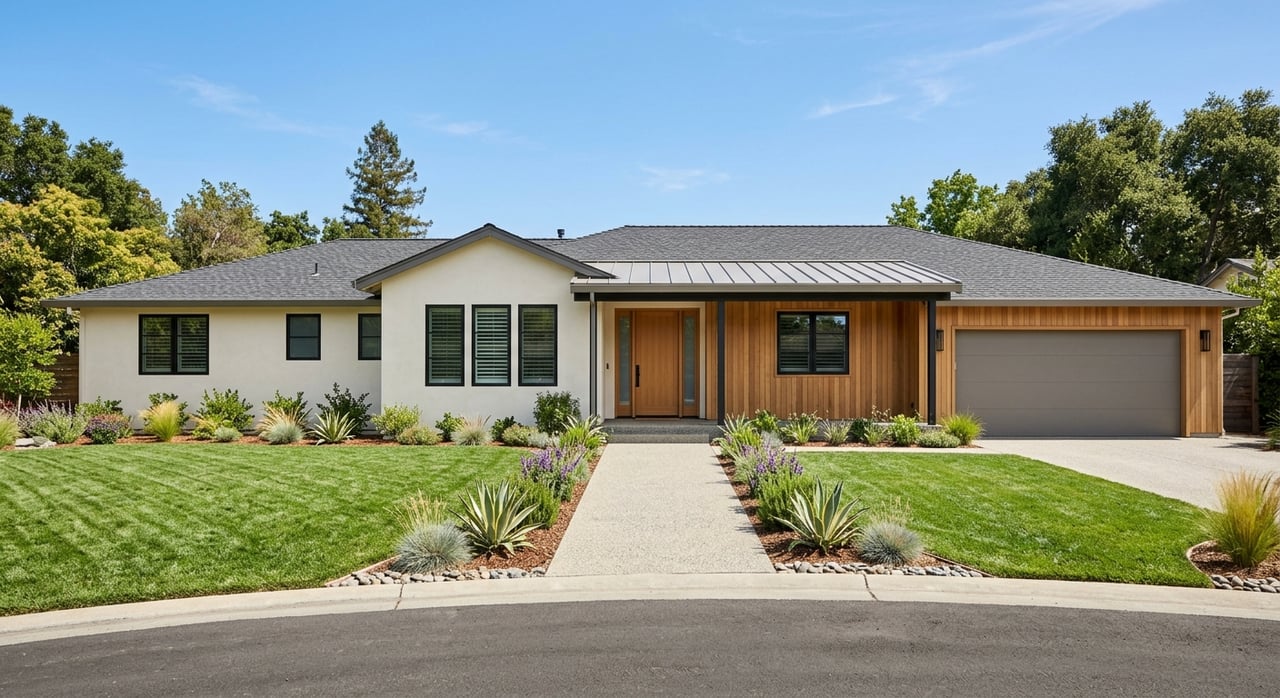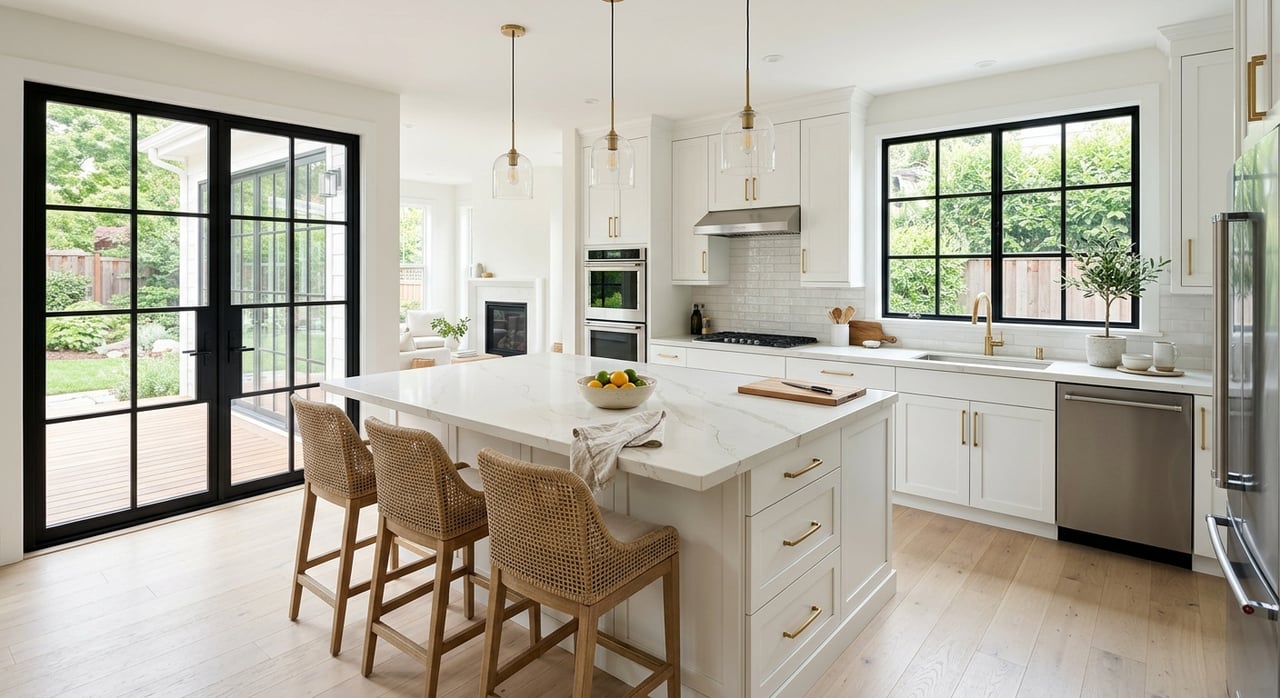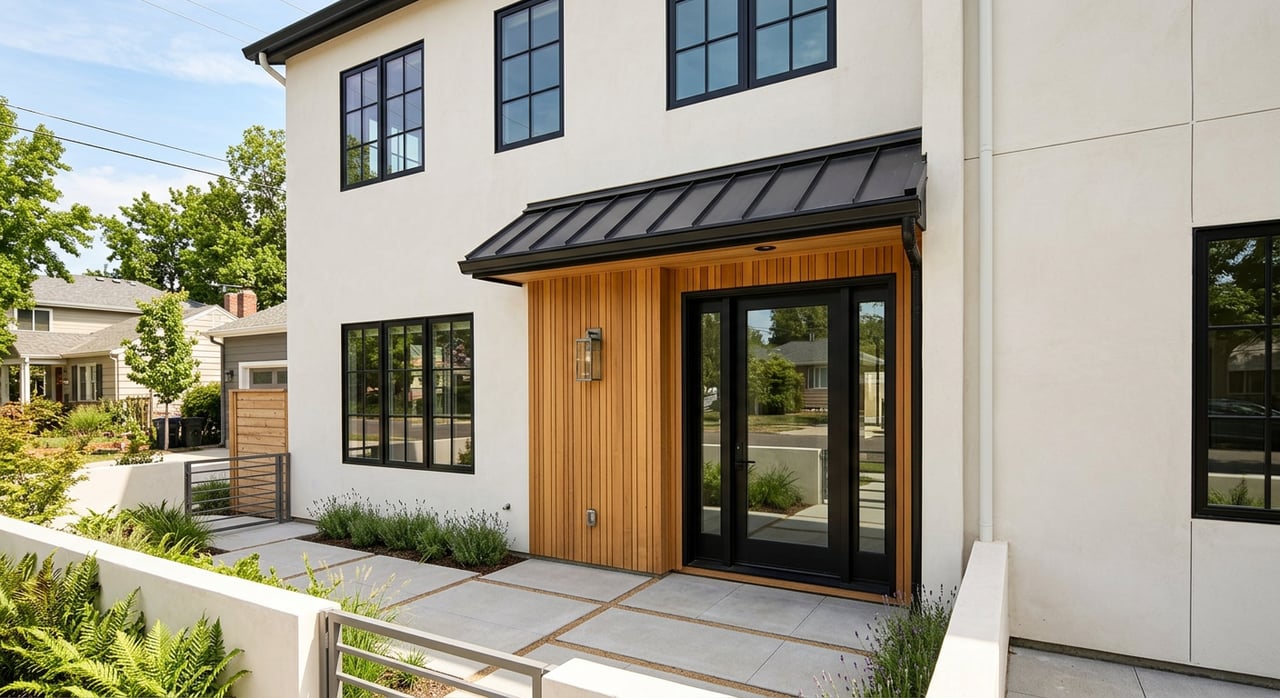
Trying to choose between a single-family home with a yard or a low-maintenance townhome in Blossom Valley? You are not alone. Many first-time and budget-minded buyers weigh space, cost, and convenience in this South San Jose neighborhood. In this guide, you will learn how pricing, HOAs, insurance, financing, and lifestyle differ so you can make a confident choice. Let’s dive in.
Blossom Valley market snapshot
Home values in Blossom Valley sit in the high six to low seven figures, depending on property type and timing. Reported medians varied recently: Redfin showed $1,510,000 (Feb 2026), Realtor.com showed $1,350,000 (Dec 2025), and Zillow’s ZHVI was about $1.42M (Feb 28, 2026). Buyers also faced quick timelines, with median days on market around two weeks and sale-to-list prices slightly over 100 percent in early 2026. Local risk factors, including rising flood and wildfire risk, can affect insurance availability and inspection focus, so plan ahead when you budget and write offers.
Single-family vs townhome: key tradeoffs
Purchase price and monthly cost
- Single-family homes (SFRs) in Blossom Valley often sit at or above neighborhood medians. You are paying for privacy, lot size, and a yard. Your monthly costs usually include mortgage, property taxes, homeowner’s insurance, and all maintenance.
- Townhomes typically offer a lower entry price than detached homes in the same area. Your monthly costs include mortgage, property taxes, a homeowners association (HOA) fee, and an HO-6 insurance policy for your interior. In older Blossom Valley communities, HOA fees commonly appear in the roughly $250 to $450 per month range, with amenity-rich complexes sometimes higher.
Tip: For SFRs, a simple planning rule is to reserve about 1 percent of the home’s value each year for maintenance. That is a starting point, not a cap, and local costs can run higher. See the homeowner maintenance guide on the 1 percent rule from American Family Insurance.
HOA structure and fees
Most townhomes in California are part of a common interest community governed by the Davis-Stirling Act. In many cases, the association maintains common areas and shared elements like roofs and exterior paint. Owners usually handle the interior and any exclusive-use areas, unless the CC&Rs say otherwise. You can review the default maintenance framework at the Davis-Stirling resource.
When you review HOA documents, focus on:
- Current budget and latest reserve study
- Master insurance policy and deductibles
- Board meeting minutes and any special assessments
- Delinquency rates and pending litigation
Strong reserves and clear maintenance plans help stabilize fees over time. Low reserves or active structural litigation can limit financing options and lead to higher assessments.
Maintenance and insurance differences
- Single-family homes: You are responsible for the roof, exterior, fences, yard, trees, and private sewer laterals. Budget for systems inspections and ongoing upkeep. An HO-3 homeowner’s policy typically covers the structure and your belongings. For budgeting, the 1 percent rule or $1 per square foot per year can help you plan. See more on maintenance budgeting from American Family Insurance.
- Townhomes: The HOA’s master policy often covers exteriors and common elements. You carry an HO-6 “walls-in” policy for your interior finishes and personal property. Ask whether the master policy is bare-walls, single-entity, or all-in. This affects how much you must insure and where gaps may exist. Many owners also add loss assessment coverage to help with special assessments tied to covered claims. Learn more about HO-6 coverage from ValuePenguin.
Financing and resale
Condo and townhome financing can be more complex because lenders often need project-level approval. If a community is not eligible under Fannie Mae, FHA, or VA rules, you may face limited loan choices or higher down payment requirements. Ask your lender to check project eligibility early. You can see the lender review framework in the Fannie Mae Selling Guide.
On resale, Bay Area markets have often shown stronger demand for detached single-family homes than for condos and townhomes in recent cycles, which can influence time to sell and price risk. For context on market patterns, see statewide reporting from the California Association of Realtors. Always use fresh local comps before you set expectations.
Outdoor space and lifestyle
- Single-family homes: You gain a private yard, more separation from neighbors, and options to garden or consider future improvements, subject to local rules.
- Townhomes: You usually get a smaller private patio or balcony, and the HOA handles most exterior landscaping. Shared walls can be a tradeoff for lower maintenance.
Blossom Valley offers convenient shopping and dining, including Westfield Oakridge, plus neighborhood parks. Many townhome communities cluster near higher-density corridors for easy access, while detached homes often sit on quieter residential streets. Choose what best fits your routine.
Quick buyer checklist
Use this simple process to compare an SFR and a townhome you like.
- Budget math
- Mortgage principal and interest
- Property taxes and any special assessments
- Insurance (HO-3 for SFR; HO-6 for townhome, plus loss assessment if needed)
- HOA fee for townhomes
- Maintenance reserve (start with about 1 percent of home value per year)
- HOA review (townhomes/condos)
- CC&Rs, rules, current budget, and latest reserve study
- Master insurance policy and deductibles
- Board minutes, any special assessments, and litigation status
- Financing
- Ask your lender to verify Fannie Mae/FHA/VA project eligibility early
- Physical inspections
- SFR: roof, HVAC, plumbing, electrical, foundation, drainage, sewer lateral, trees
- Townhome: interior systems and finishes; confirm HOA responsibility for roofs/exteriors and any needed access to common areas
- Taxes
- Request the current tax bill and preliminary title report
- Check for Mello-Roos or other special assessments authorized under California’s Community Facilities Act. See background at FindLaw.
- Risk and insurance availability
- Ask your agent about local flood and wildfire risk and how it may affect coverage and costs
Which is right for you?
Choose a single-family home in Blossom Valley if you want a private yard, more autonomy over your property, and the potential for stronger buyer demand at resale. Just be ready to budget for ongoing exterior maintenance and system upgrades over time.
Choose a townhome if you prefer a lower entry price, simpler exterior upkeep, and a “lock-and-leave” lifestyle. Add HOA fees, HO-6 insurance, and the possibility of special assessments to your monthly budget, and make sure the HOA’s finances are solid.
If you want help comparing specific homes, I can walk you through true monthly costs, HOA health, and local comps so your decision fits both your budget and your day-to-day life. For friendly, local guidance in English or Spanish, reach out to Elsa Garza to get started.
FAQs
In Blossom Valley, is a townhome cheaper overall?
- Often on purchase price, yes, but add the HOA fee, HO-6 insurance, and potential special assessments to your monthly cost. Local examples show many older complexes in the roughly $250 to $450 per month HOA range.
Who fixes a townhome roof in a Blossom Valley HOA?
- Usually the association handles roofs and exterior common elements, but always confirm in the CC&Rs. See the maintenance framework in the Davis-Stirling resource.
Will financing be harder for a Blossom Valley condo or townhome?
- It can be if the project lacks Fannie Mae/FHA/VA approval or has financial or legal red flags. Have your lender verify project eligibility early. Review the process in the Fannie Mae Selling Guide.
How do insurance needs differ between SFRs and townhomes in San Jose?
- SFRs typically use HO-3 policies covering the structure and your belongings. Townhomes usually need HO-6 “walls-in” coverage plus loss assessment if appropriate, depending on the HOA’s master policy. Learn more from ValuePenguin.
What local risks should Blossom Valley buyers consider before choosing home type?
- Rising flood and wildfire risk can influence inspections and insurance. Ask your agent to check hazard maps and current insurance availability so you understand coverage options before you write an offer.
How do property taxes and Mello-Roos affect cost in Santa Clara County?
- Review the tax bill and preliminary title report for any special assessments, including Mello-Roos under California’s Community Facilities Act. You can read an overview at FindLaw.