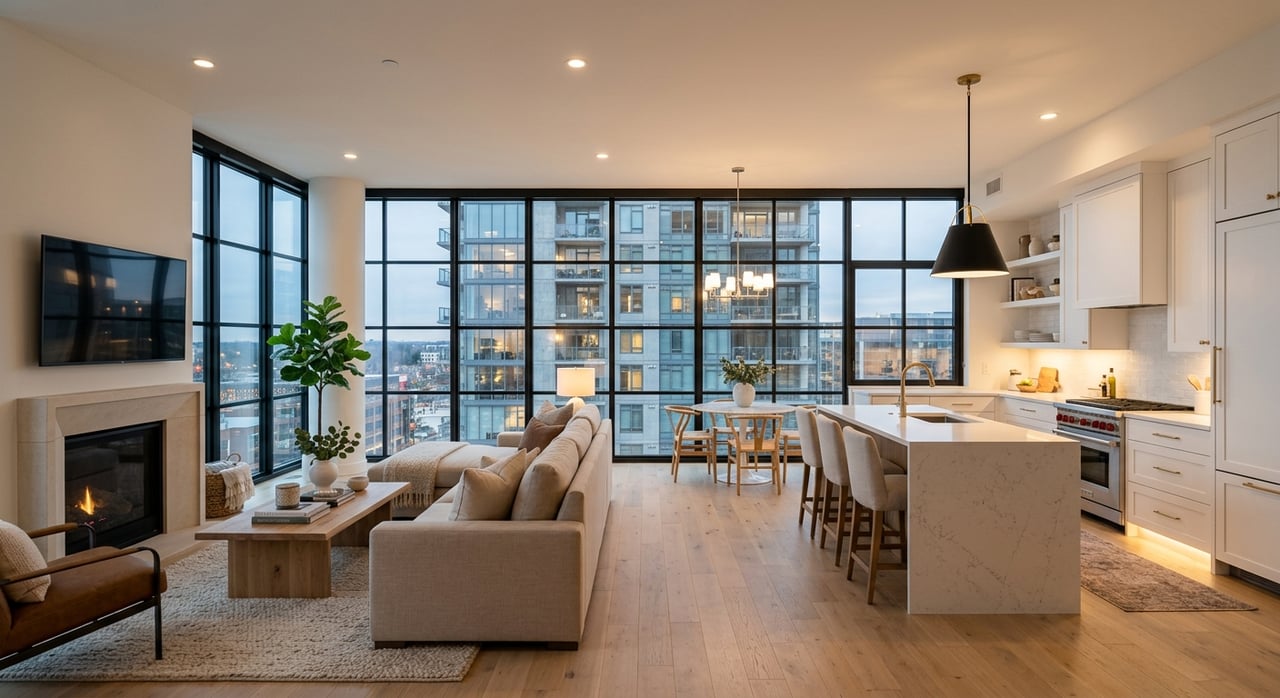
Thinking about trading a driveway and backyard for an elevator, skyline views, and a walkable routine? High-rise living in Downtown San Jose can be exciting, convenient, and surprisingly practical, but it also comes with trade-offs you should understand before you buy. If you want a clearer picture of what daily life really feels like, what to expect from transit, parking, and HOA costs, and whether this lifestyle fits your goals, you are in the right place. Let’s dive in.
What Downtown Living Feels Like
Downtown San Jose is designed to function as a more transit-oriented urban core, not a car-first residential area. The City’s Downtown Transportation Plan looks ahead to 2040 and includes more than 50 projects, programs, and policies focused on walking, biking, transit, mobility hubs, and parking management.
For you as a condo buyer, that usually means a more active street environment. Downtown includes major civic and event spaces like Plaza de César Chávez and other public venues, so foot traffic, deliveries, events, and general city noise are part of the experience. If you like energy and convenience, that can be a real plus. If you want quiet suburban rhythms, it may feel like an adjustment.
Why Walkability Stands Out
One of the biggest draws of living in a downtown high-rise is how much you can do without getting in your car. The city has invested in pedestrian routes and public gathering spaces that support a true walk-out-the-door lifestyle.
A good example is Paseo de San Antonio, a four-block pedestrian walkway that connects San José State University to Plaza de César Chávez. That kind of urban layout makes it easier to meet friends, grab coffee, attend events, or take a quick break outdoors without planning your whole day around driving.
Transit Access Is a Major Advantage
Downtown San Jose offers some of the strongest transit access in the South Bay. According to VTA, Plaza de César Chávez is within a short walk of Paseo de San Antonio, Convention Center, and Santa Clara light rail stations, and the broader downtown area is served by the Blue, Green, and Orange light rail lines plus Rapid 500.
For regional travel, San Jose Diridon Station is a key hub. Caltrain notes that Altamont Corridor Express, Capitol Corridor, and Coast Starlight connect there, and VTA Rapid 500 links Diridon, downtown San José, and Berryessa BART. If you are comfortable combining transit, walking, and rideshare, downtown condo living can support a genuinely car-light routine.
Micromobility Adds Flexibility
Transit is only part of the picture. San José also supports bike share and shared e-scooters, and the city’s micro-mobility program highlights Bay Wheels as the regional bike-share system.
The city is also adding downtown mobility hubs and improving bikeways, sidewalks, and street crossings. For many residents, these upgrades make short trips feel more manageable and give you more options for commuting, errands, or casual outings.
Dining, Culture, and Public Spaces Nearby
Living downtown often means your social routine is built into your neighborhood. You are not just buying square footage. You are buying proximity to places people already use for dining, events, and everyday outings.
San Pedro Square Market is one of the best-known examples. Visit San Jose describes it as a dining and social destination with varied food vendors, patio dining, live entertainment, and regular activities including films, comedy, and sports viewing.
The SoFA District adds another layer to downtown life. It is known as an arts, cultural, and entertainment district with coffee shops, galleries, murals, theaters, breweries, and recurring public events.
Then there is Plaza de César Chávez, a 2.3-acre civic green space in the center of downtown. It works less like a suburban neighborhood park and more like a central gathering place for events, lunch breaks, and casual walks.
What Buyers Should Know About Parking
Parking is available downtown, but it works differently than in lower-density neighborhoods. The City says it operates eight garages, nine surface lots, and around 7,500 public parking spaces located primarily downtown. It also offers downtown garages and lots with monthly parking permits at many facilities, plus some discounted resident rates at designated locations.
This can be helpful if your building has limited parking or if you need extra parking beyond what comes with a condo. Still, parking is usually part of the overall urban trade-off. You may need to think more intentionally about guest parking, second vehicles, or how often you really want to drive.
Street Parking Is More Regulated
Street parking downtown is generally more structured than what many South Bay buyers are used to. San José’s Residential Permit Parking program is virtual, and residents in designated zones must register, purchase, and manage permits online.
That does not mean parking is impossible. It does mean you should review your building’s parking setup, nearby public options, and any permit rules before you buy so there are no surprises after closing.
HOA Dues Matter More Than Many Buyers Expect
In a high-rise or condo building, the homeowners association is a major part of ownership. The Consumer Financial Protection Bureau explains that condo and HOA dues are usually paid directly to the HOA rather than included in your mortgage payment, and those dues can range from a few hundred dollars a month to more than $1,000.
That monthly number affects affordability, so it deserves close attention early in your search. It is also important to understand what the dues cover, such as shared amenities, maintenance, building operations, or reserves.
Review HOA Health Carefully
Not all HOAs are equally well managed. The California Department of Real Estate warns that underfunded associations can lead to deferred maintenance, reserve shortfalls, and special assessments, which is why buyers should review annual budgets, reserve studies, and the condition of common areas before purchasing.
This is one of the biggest differences between buying a condo and buying a detached home. In a high-rise, the building’s financial health can directly affect your long-term costs and ownership experience.
Insurance Needs Extra Attention in California
Insurance is another area where condo buyers need to look closely at the details. The California Department of Insurance says standard homeowners, renters, and condo policies do not cover earthquake damage.
That is especially important in a condo setting because an association may insure common areas, while individual owners can still face exposure to assessments for earthquake-related repairs. Before you buy, it is worth understanding what the HOA master policy covers and where your personal coverage would begin.
Who High-Rise Living Fits Best
Downtown high-rise living often works best if you value walkability, transit access, and lower exterior maintenance more than yard space or easy private parking. It can be a strong match if you enjoy being close to restaurants, events, public spaces, and transportation options.
It may be less ideal if your top priority is maximum privacy, a quieter environment, or a more traditional suburban setup. The right choice depends on how you want your daily routine to feel, not just what looks good online.
How to Evaluate a Downtown Condo
If you are seriously considering a high-rise in Downtown San Jose, focus on the practical details as much as the views and finishes.
Here are a few smart questions to ask:
- How many parking spaces come with the unit?
- What are the monthly HOA dues, and what do they cover?
- Are reserve studies, budgets, and common-area maintenance records available?
- What is the building’s noise exposure near venues, transit, or nightlife?
- How close is the building to light rail, Diridon, or micromobility options?
- What does the HOA master insurance policy cover?
A careful review up front can help you avoid surprises later. That is especially true in a market where lifestyle fit matters just as much as price.
If you are weighing condo living against other South Bay options, working with a local expert can help you compare neighborhoods, ownership costs, and day-to-day convenience with more confidence. When you are ready to talk through your options, connect with Elsa Garza for practical, local guidance tailored to your goals.
FAQs
What is daily life like in a Downtown San Jose high-rise?
- Daily life in a Downtown San Jose high-rise often feels energetic and urban, with walkable access to restaurants, civic spaces, transit, and events, along with more foot traffic and ambient city activity than a suburban neighborhood.
Is Downtown San Jose condo living good for a car-light lifestyle?
- Yes, Downtown San Jose can support a car-light lifestyle thanks to light rail access, Rapid 500 service, Diridon Station connections, walkable streets, and city-supported bike share and e-scooter options.
What should buyers know about parking in Downtown San Jose?
- Buyers should know that parking is available through building spaces, public garages, surface lots, and permit systems, but it is typically more structured and regulated than parking in lower-density neighborhoods.
How important are HOA dues in a Downtown San Jose condo?
- HOA dues are very important because they affect your monthly housing cost and may cover building operations, maintenance, amenities, and reserves, so you should review both the amount and the HOA’s financial health.
Do Downtown San Jose condo owners need separate earthquake coverage?
- Standard condo insurance policies do not cover earthquake damage, so buyers should review both personal insurance options and the HOA master policy to understand potential gaps.
Who is a good fit for high-rise living in Downtown San Jose?
- High-rise living may be a good fit if you want walkability, transit convenience, and lower-maintenance ownership, and if you are comfortable with a more active downtown setting.