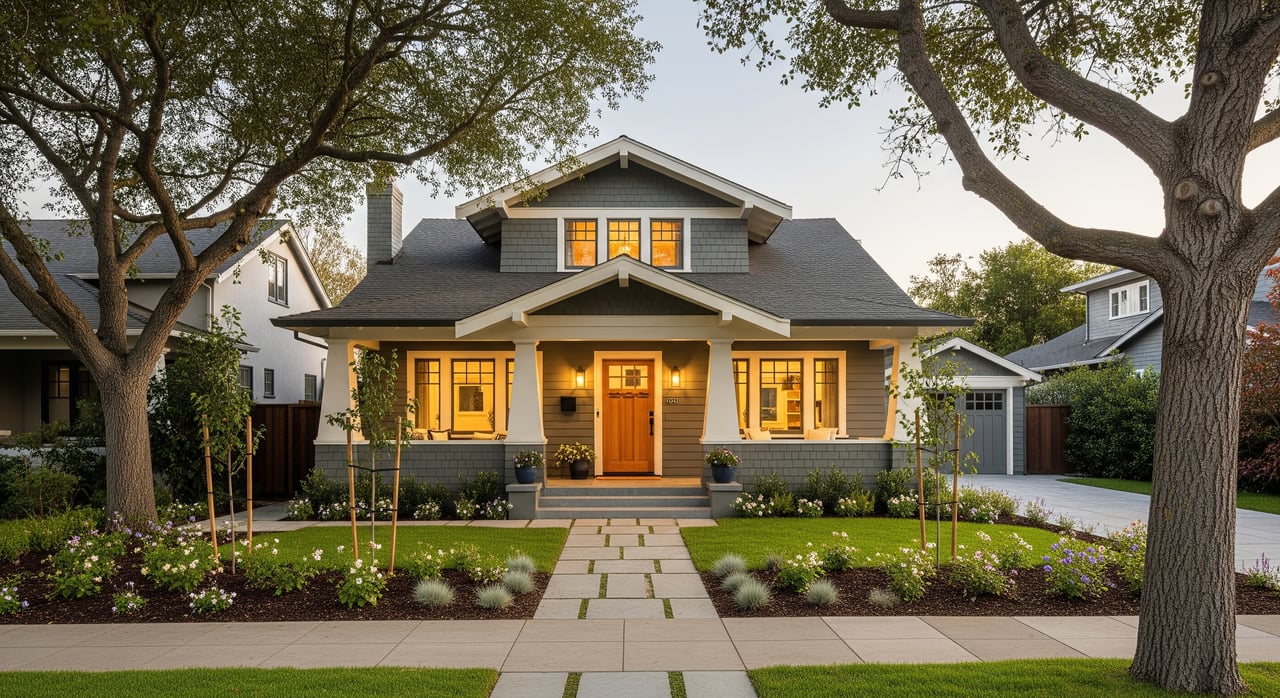
Pricing your home is the single most important decision you make before going to market. Set it too high and you risk sitting while buyers chase newer listings. Set it too low and you may leave money on the table. If you want a number you can trust in Willow Glen, comps are your best guide. In this step-by-step guide, you’ll learn how to pick the right comps, adjust them for your home, and set a smart pricing strategy for this neighborhood. Let’s dive in.
What comps are and why they matter
Comparable sales, or comps, are recently sold homes similar to yours that help you estimate market value. They show what buyers actually paid in your local market, not just what sellers hoped to get. Strong comps inform your pricing range, expected time on market, and negotiation plan.
You should look at three kinds of data. Closed sales deserve the most weight since they reveal confirmed prices. Pending sales show current momentum because they reflect accepted offers. Active, expired, and withdrawn listings help you see today’s competition and where past pricing hit resistance. In most cases, the best comps are closed sales from the last 3 to 6 months, located closest to your home, and most similar in property type and condition.
Find the right Willow Glen comps
Focus on the right map
Willow Glen is its own submarket within San José. Start inside the neighborhood boundaries rather than using city-wide data. Aim for a tight radius, about 0.25 to 0.5 miles, when your home has typical features. Expand to 0.5 to 1 mile only if you need more matches due to rare features or a unique lot.
Use a current time window
Market conditions change, so your time window matters. For most homes, use the last 3 to 6 months to reflect current pricing. If the market is moving quickly, lean on the most recent 1 to 3 months. If your property is unique or the market is slow, you can extend to 6 to 12 months and adjust for trends.
Match property type and features
Compare single-family to single-family, condo to condo, and detached to detached. Align on the big items first, like living area, lot size, bedroom and bathroom count, and parking. Then look at significant features such as a remodeled kitchen, updated systems, ADU, pool, or expanded outdoor living. Condition matters. If your home is turn-key and a comp needs work, you should adjust for that difference.
Verify your data
Accuracy counts. The multiple listing service is the primary source agents use for verified sold prices, listing notes, and days on market. Public records from the Santa Clara County Assessor or Recorder can confirm recorded sale prices and lot data. Public real estate portals are useful for quick research, but details like square footage and status can be wrong. Make a habit of noting where each data point came from and whether you verified it.
Adjust comps the smart way
Start with price per square foot
Price per square foot is a useful starting point. Take the closest, most similar sold comps and calculate their price per square foot. Multiply that range by your home’s living area to get implied values. This gives you a baseline before you fine-tune.
Itemize key differences
Once you have implied values, apply adjustments for meaningful differences. Focus on:
- Size and layout. Account for living area differences and any functional issues, like an awkward floor plan or lack of a proper primary suite.
- Lot size and utility. In Willow Glen, lot depth, corner lots, and usable yard space can influence value, especially if they improve outdoor living or expansion potential.
- Bedrooms and bathrooms. Adjust for added or fewer rooms, including half baths, as buyers compare homes by utility and flexibility.
- Condition and updates. Kitchens, baths, roof age, HVAC, flooring, windows, and seismic work all affect buyer willingness to pay.
- Age and construction quality. Historic charm and character can add appeal, while newer systems and layouts add practical value.
- Location within Willow Glen. Proximity to downtown Lincoln Avenue, parks, and quieter tree-lined blocks may command premiums compared to homes near busy corridors.
- Amenities. Garage size, off-street parking, ADUs, solar ownership versus lease, outdoor kitchens, and covered patios can shift value.
- Environmental factors. Street noise, nearby rail, and privacy can influence price.
Use local market knowledge to decide whether a difference deserves a dollar or percentage adjustment. Keep notes on your rationale so you can revisit your logic as you review more comps.
Market conditions and seasonality
If a comp is older, adjust it for today’s conditions. Use recent trends from local market reports to understand direction over the past few months, then apply a reasonable adjustment so older sales reflect current momentum. Consider seasonality. Spring often brings more listings and buyer activity compared to mid-winter, which can influence your final list strategy.
Weight your comps and set a range
Not all comps carry equal weight. Give more weight to those that are closest, most recent, and most similar in condition and features. Create a weighted range rather than a single number. Then cross-check with nearby actives and recent pendings to confirm where your price sits among current options.
Willow Glen pricing factors to watch
Micro-markets and walkability
Willow Glen’s charm is real, with tree-lined streets and a walkable downtown on Lincoln Avenue. Homes closer to downtown, parks, and village conveniences often appeal to buyers looking for walkability. Homes near major arterials or commercial corridors may see different pricing dynamics. Treat each micro-area like a mini market.
Lot size and ADU potential
Lot sizes vary widely in Willow Glen. Deeper lots, larger side yards, and corner parcels may offer better outdoor living and expansion potential. Buyers increasingly ask about accessory dwelling units. A permitted ADU, or a lot that appears well-suited for a future ADU under city rules, can influence demand. Always verify zoning and permitting requirements before assuming value.
Schools and boundaries
School assignments can affect buyer demand and price comparisons. Boundaries change over time, so confirm current assignments during your pricing process. Keep your language neutral and stick to facts rather than subjective school quality claims.
Permits, solar, and disclosures
California sellers must provide required disclosures, including the Transfer Disclosure Statement and Natural Hazard Disclosure. Known defects, open permit issues, or unpermitted work can lead to price adjustments or repair credits. Clarify whether solar panels are owned or leased since leases can affect buyer interest and price.
Pricing strategy for today’s market
There is more than one way to land at the right number. Your comps help you anchor value, then your strategy reflects timing and risk tolerance.
- List slightly below market to spark attention and encourage multiple offers when inventory is tight and demand is strong.
- List at or near market if you want a steady flow of qualified buyers without creating a bidding frenzy.
- List slightly above market only if your timeline is flexible, your home is unique, and recent pendings suggest buyers will stretch.
- Use round price points thoughtfully. Psychological thresholds can help, but comps and current competition matter more.
Data sources and tools
Rely on primary sources first. The multiple listing service provides the most reliable sold and pending data. Santa Clara County Assessor and Recorder records confirm parcel data and recorded sale prices. Local brokerage market snapshots can add timely neighborhood context.
Secondary sources can be helpful for quick checks. Public real estate portals provide sold data and general trends, but you should verify critical details with primary sources. If your home is high value, unique, or there are few recent sales, consider a licensed appraisal or a broker price opinion for extra confidence.
A quick comp checklist
Use this list to organize each comp you consider:
- Address and status, including sold, pending, active, or withdrawn
- Closed sale price and date, plus source and verification notes
- Days on market
- Living area and lot size, with measurement source
- Bed and bath count, including half baths
- Year built and effective age
- Condition notes, such as remodeled or needs work
- Significant features, including ADU, garage count, pool, solar
- Location notes, such as distance from your home and proximity to downtown or busy streets
- Price per square foot, calculated from verified data
- Adjustments made, including dollar or percentage and your rationale
- Weighted value and final implied price
Simple workflow you can follow
- Gather 8 to 12 candidate properties from the past few months, including solds, pendings, and actives.
- Narrow to the 3 to 6 best sold comps that are closest in distance, property type, and condition.
- Calculate price per square foot for each comp and apply it to your home to get implied values.
- Add adjustments for size, lot, condition, amenities, and location differences.
- Weight the adjusted prices by proximity and similarity, then form a suggested price range.
- Cross-check with current actives and recent pendings and choose your list price based on your strategy.
Avoid these common mistakes
- Relying on public portals without verifying details in the multiple listing service or county records
- Comparing mismatched property types or living area measurements
- Ignoring lot utility, outdoor living, or ADU potential
- Skipping adjustments for condition or unpermitted work
- Using outdated comps without adjusting for market direction
Get local help
If your Willow Glen home is unique, or you want to price with confidence from day one, a local expert can save you time and risk. You get access to verified data, nuanced adjustments, and a strategy tailored to your goals. For full-service pricing, preparation, and listing support, reach out to Elsa Garza. Get your instant home valuation, then decide your best path. Se habla español.
FAQs
How many comps should I use to price a Willow Glen home?
- Use 3 to 6 strong sold comps from the last 3 to 6 months that are closest and most similar, then supplement with pending and active listings for context.
How important is price per square foot in Willow Glen pricing?
- It is a helpful starting point, but you must also adjust for lot size, condition, features, and location because those factors can move value up or down.
Should I list above recent comps to try for a bidding war?
- Consider this only in a strong seller’s market with low inventory and clear buyer demand; otherwise, overpricing can lead to longer days on market and weaker outcomes.
What if there are not many recent sales near my Willow Glen address?
- Expand your search radius and time window carefully, use pending sales and current actives for context, and consider an appraisal or broker price opinion for added confidence.
Do open house traffic and online views matter more than comps when pricing?
- They are useful signals of interest, but actual sale prices anchor to comps and buyer willingness to pay, so rely on verified comparable sales first.
When should I bring in an appraiser or experienced agent for valuation?
- If your home is high value, unique, or the comp set is thin, involve a licensed appraiser or a local agent to produce a formal opinion and refine your pricing strategy.