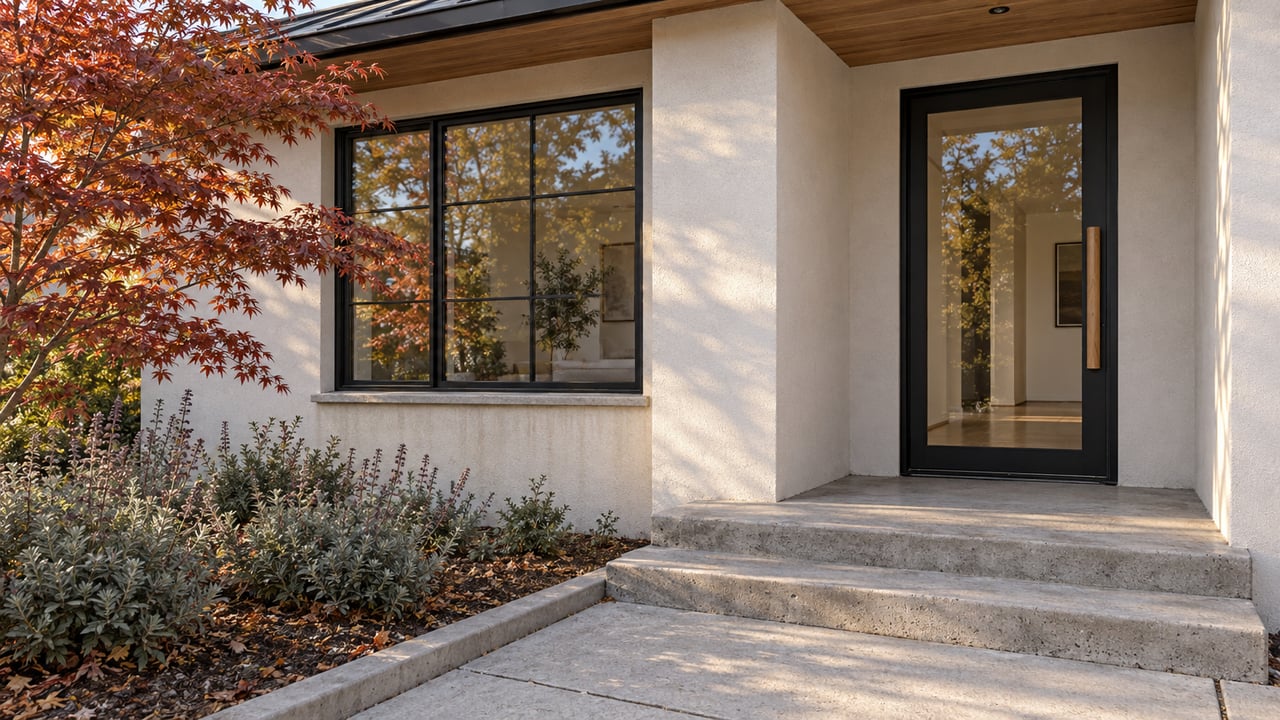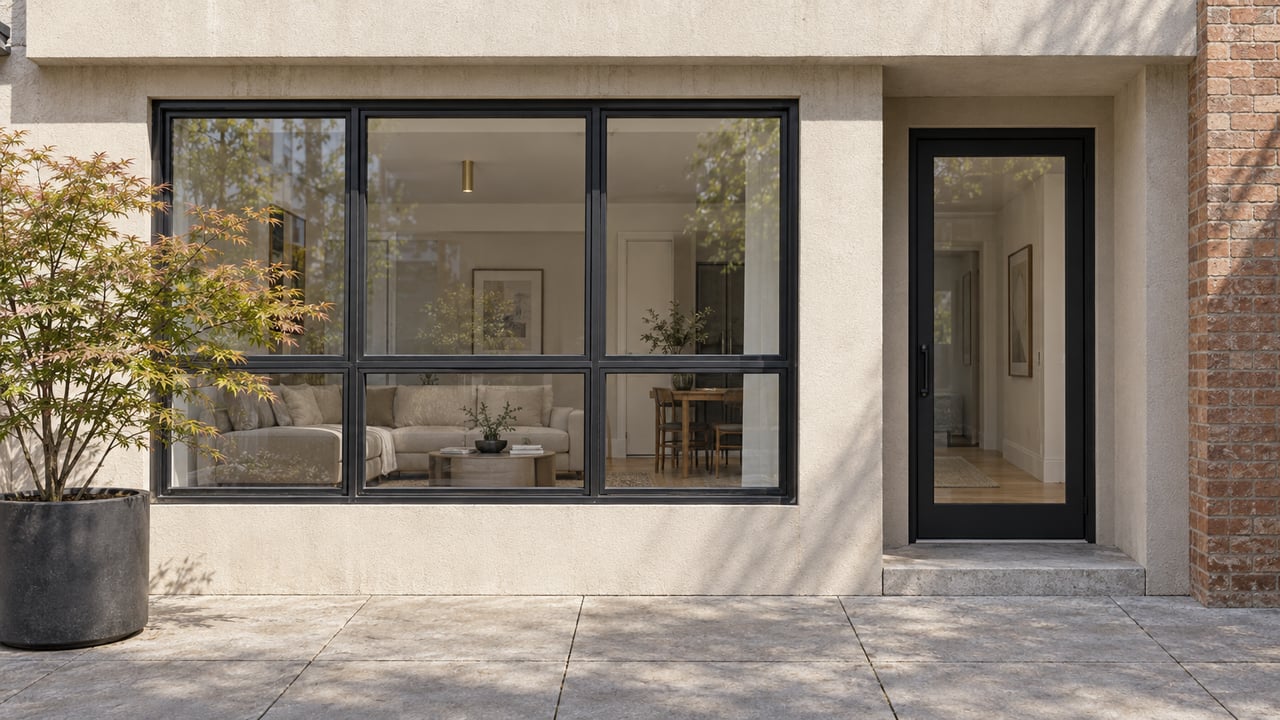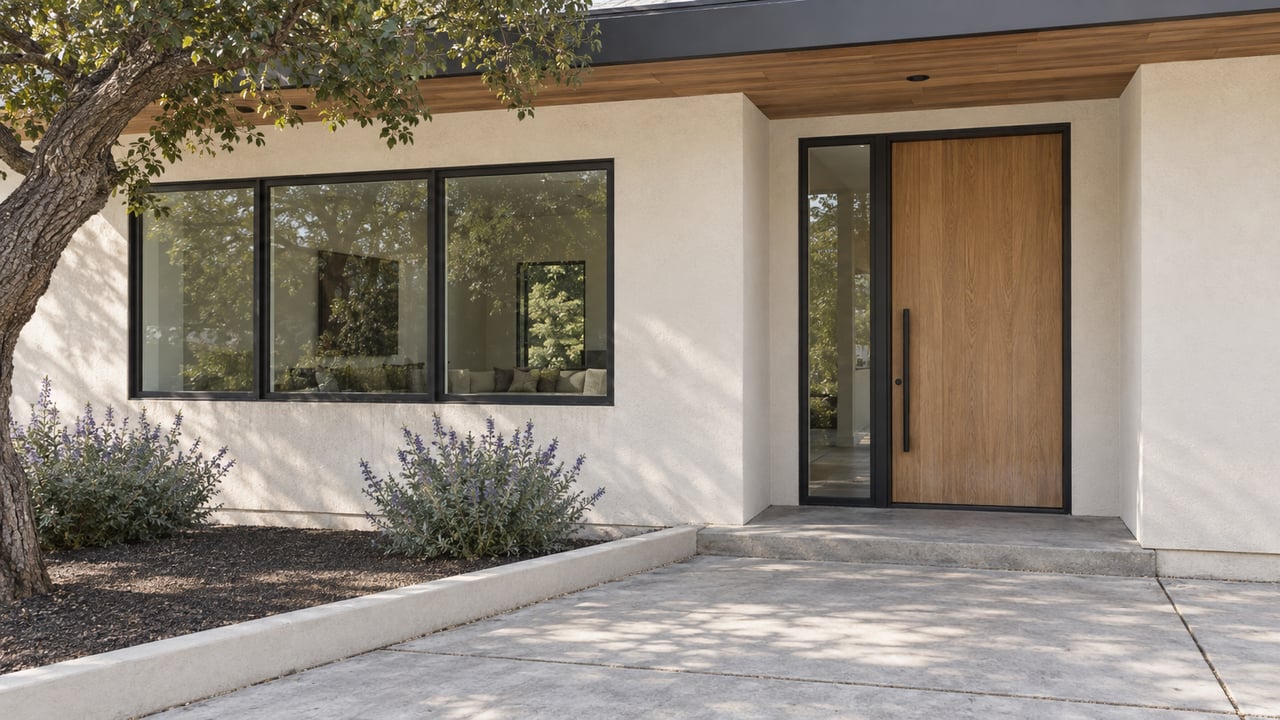
Wondering why one Willow Glen block can feel full of cozy porches, while the next shows long low rooflines or newer vertical builds? That mix is part of what makes this San Jose neighborhood so visually interesting. If you are buying, selling, or simply getting to know the area better, understanding the home styles you will see can help you read the street with more confidence. Let’s dive in.
Why Willow Glen Looks So Varied
Willow Glen developed over multiple eras, not all at once. City historical context traces the area from an early school district in 1863 to a renamed post office in 1895, incorporation in 1927, and annexation to San Jose in 1936.
That timeline helps explain why the neighborhood does not follow one single architectural pattern. The City’s North Willow Glen Conservation Area describes nearby historic residential streets as largely built between 1885 and 1955, with diverse period detailing across relatively small-lot homes.
In practical terms, that means you may see several architectural styles within a short walk or drive. The city record identifies a broad mix that includes National, Queen Anne, Neoclassical, Craftsman, Spanish Revival, and Minimal Traditional cottages.
Craftsman and Bungalow Homes
What to look for outside
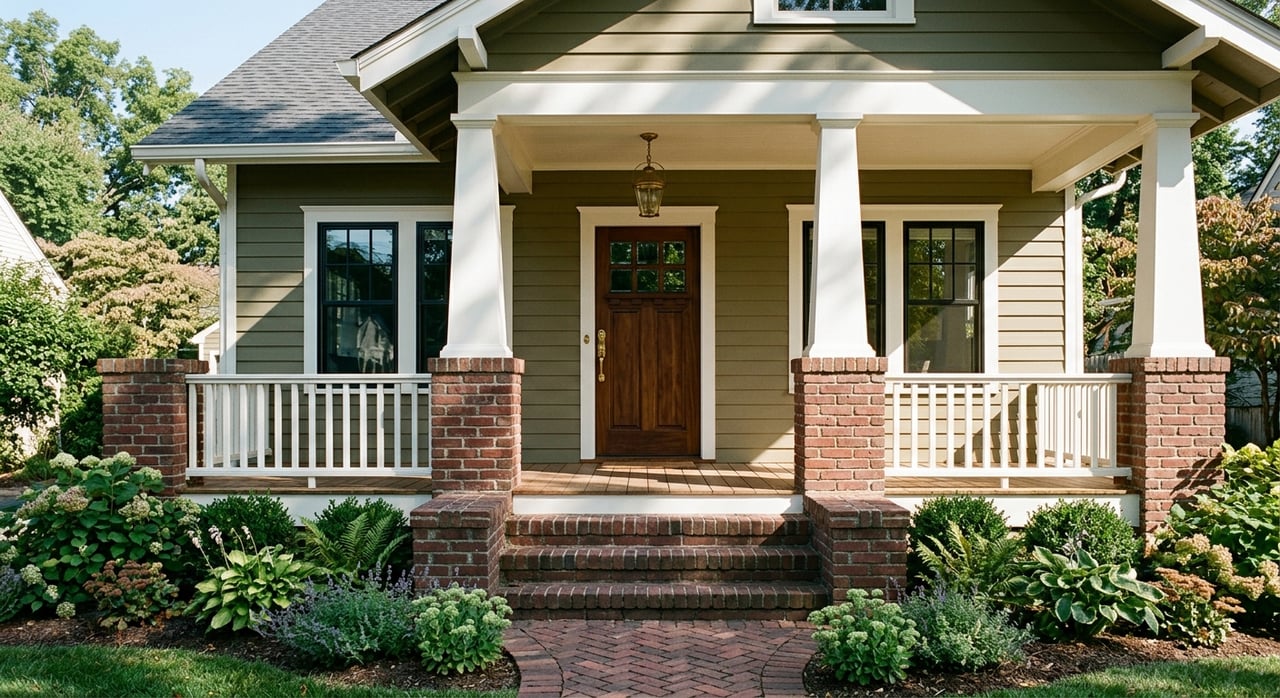
If you picture classic Willow Glen charm, you are often picturing a bungalow or Craftsman-era home. San Jose’s architectural guide describes Craftsman Bungalows as low-to-moderate pitched houses with deep eaves, exposed rafter tails, and full or partial front porches supported by sturdy posts or piers.
You will also often notice grouped windows, usually set in pairs or threes. These details give the home a grounded, welcoming look that feels tied closely to the front yard and the street.
How they tend to live
According to National Park Service documentation, Craftsman bungalows often feature open floor plans with fewer interior doors, along with stone or brick chimneys. Porches, sunrooms, and sleeping porches also help connect indoor and outdoor space.
For you as a buyer, that can translate into a home that feels intimate, porch-centered, and human-scaled. Light often feels softer and more porch-mediated than in later styles, and the outdoor living experience may center on the front porch or a smaller rear porch.
Why buyers notice them
These homes often stand out because they create a strong front-door presence without relying on sheer size. In Willow Glen’s mature, established streetscapes, that sense of proportion is a big part of the appeal.
If you are selling a bungalow, the architectural story matters. Buyers often respond to original-looking details, the relationship between the porch and the yard, and the overall sense of character.
Ranch Homes in Willow Glen
What defines a ranch home
Ranch homes reflect a different era of development. San Jose’s architectural guide describes the postwar Ranch Era as wide, low, and casual in form, with single-story plans, low-pitched roofs, overhanging eaves, attached garages, and strong indoor-outdoor connections.
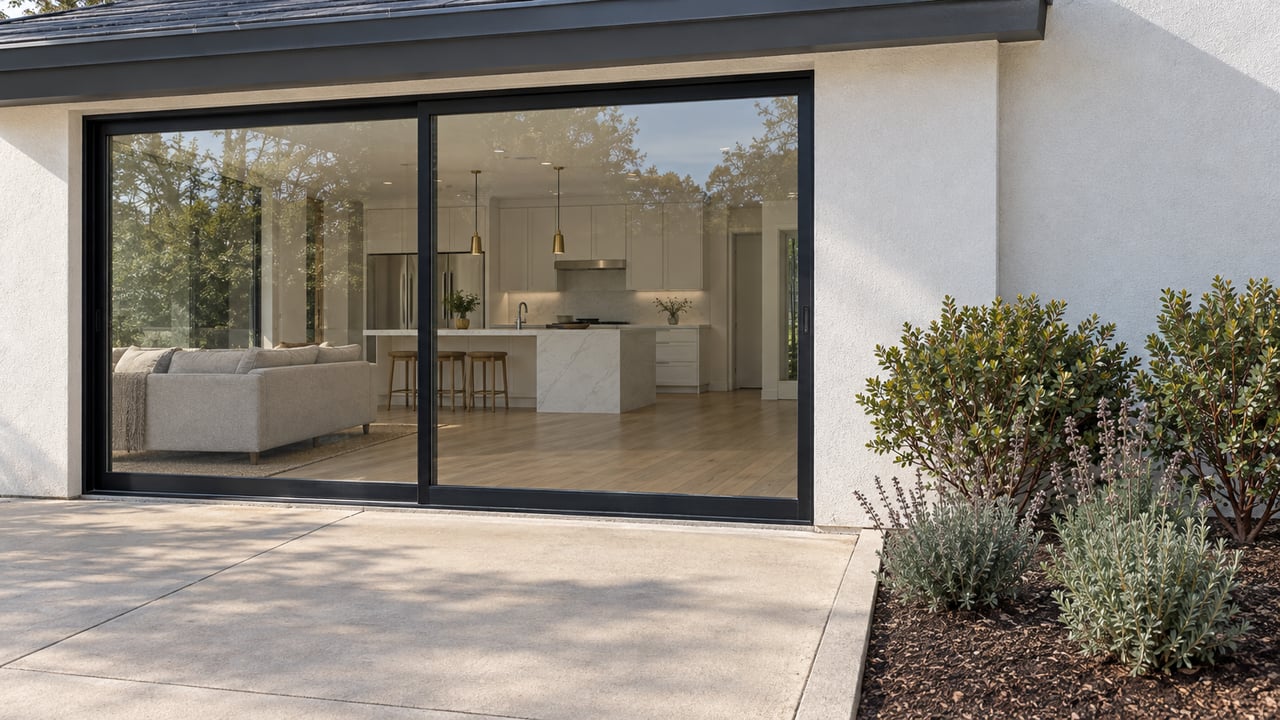
Many ranch homes also feature stucco or shingle cladding and larger expanses of glass. Custom ranch homes may include bigger windows, coordinated landscaping, and rear sliding glass doors that open toward the backyard.
Why ranch homes feel different
Compared with bungalows, ranch homes usually feel more horizontal and more outward-facing toward the backyard. National Park Service research notes that ranch interiors often use zoned living spaces, large living rooms, and entries that lead more directly into everyday living areas.
If you want easier single-level living, ranch homes are often the style most associated with that benefit in Willow Glen. They also tend to offer the strongest documented patio and backyard connection among the styles covered here.
What buyers often appreciate
Ranch homes can feel bright, practical, and easy to move through. Broad picture windows and sliding glass doors help bring in sunlight and visually expand the living space.
If you are comparing homes, this style may appeal to you if you prefer a more casual layout and a stronger indoor-outdoor flow. If you are selling a ranch home, highlighting light, circulation, and yard access can help buyers understand its strengths quickly.
Older Period Styles You May Spot
A broader historic mix
While Craftsman and ranch homes are two of the easiest styles to recognize, they are not the whole story. The City’s district record also identifies National, Queen Anne, Neoclassical, Spanish Revival, and Minimal Traditional cottages in Willow Glen’s broader historic mix.
That does not mean every block has all of them. It does mean Willow Glen’s visual identity comes from layered development rather than one repeated model home plan.
Why this matters when house hunting
For you as a buyer, a mixed streetscape means curb appeal can show up in different ways. One home may stand out for decorative period detailing, while another feels more understated and compact.
This also helps explain why home-to-home comparisons in Willow Glen are rarely just about square footage. Style, era, and how the house sits on the lot can all shape how a property feels in person.
Newer Infill Homes
What newer infill can look like
Willow Glen is not frozen in time. New construction and redevelopment are still part of the neighborhood story, including projects like the City’s Glen Eyrie Residential Project near Lincoln Avenue, which proposes replacing four single-family homes with three new three-story buildings totaling 18 residential units on a 0.85-acre site.
That example shows how newer homes or housing types can appear alongside older residential stock. It also reflects the fact that neighborhood change can happen lot by lot, not just through large-scale redevelopment.
How it changes the street feel
As a design reading, newer infill often feels more vertical and compact at the lot level than older bungalows and ranch homes. That means the relationship between the house, porch, and yard may feel different from what you see in earlier Willow Glen homes.
Older homes often emphasize porch presence and a close connection to the front yard. Newer infill may trade some of that for more contemporary massing and interior volume.
Quick Style Comparison
If you are trying to make sense of Willow Glen homes during a search, this quick breakdown can help:
| Style | Common visual clues | Lifestyle feel |
|---|---|---|
| Bungalow / Craftsman | Deep eaves, exposed rafter tails, front porch, grouped windows | Porch-centered, intimate, character-driven |
| Ranch | Low roofline, wide shape, attached garage, larger glass areas | Single-level ease, casual flow, strong backyard connection |
| Newer infill | More vertical form, compact lot use, contemporary massing | More interior volume, different yard relationship |
What This Means for Buyers
If you are buying in Willow Glen, style is not just about appearance. It can affect how the home lives day to day, from how natural light enters the rooms to whether outdoor living happens on the front porch or in the backyard.
A bungalow may suit you if you love architectural detail and a strong street presence. A ranch may feel right if you want one-level living and a more open connection to the yard. A newer infill home may appeal if you prefer a more current layout and a different balance between indoor space and lot size.
Walking the neighborhood with these differences in mind can help you narrow your priorities faster. It also makes it easier to compare homes that may be similar on paper but feel very different in person.
What This Means for Sellers
If you are selling, your home’s style can shape how you present it and how buyers understand its value. A Craftsman or bungalow may benefit from a marketing approach that highlights porch appeal, detailing, and historic character.
A ranch home may shine when you emphasize light, layout, and indoor-outdoor flow. For newer homes, buyers may respond more to contemporary design, vertical space, and efficient use of the lot.
This is where neighborhood-specific positioning matters. In a place like Willow Glen, buyers are often reacting to both the home itself and how it fits into the surrounding streetscape.
Whether you are buying your first Willow Glen home or preparing to sell a property with years of history, it helps to have a clear read on what makes each style distinct. If you want local guidance on how Willow Glen architecture can affect search strategy, pricing, or presentation, connect with Elsa Garza.
FAQs
What architectural styles are common in Willow Glen?
- Willow Glen includes a mix of styles tied to different development eras, including Craftsman, bungalow forms, ranch homes, and other historic styles such as Queen Anne, Neoclassical, Spanish Revival, National, and Minimal Traditional cottages.
What makes a Willow Glen bungalow easy to identify?
- A Willow Glen bungalow or Craftsman-era home often has a low-to-moderate pitched roof, deep eaves, exposed rafter tails, grouped windows, and a full or partial front porch with substantial posts or piers.
What defines a ranch home in Willow Glen?
- A Willow Glen ranch home is typically wide, low, and single-story, with a low-pitched roof, overhanging eaves, an attached garage, and a strong connection to patios or the backyard.
Why do Willow Glen blocks have mixed home styles?
- Willow Glen developed over many decades, and city documentation describes nearby historic residential areas as built largely between 1885 and 1955, which created a varied mix of architectural periods on different blocks.
Are newer homes being built in Willow Glen?
- Yes. City planning documents show that newer infill and redevelopment projects continue to appear in Willow Glen, which adds more contemporary and sometimes more vertical housing forms alongside older homes.
Which Willow Glen home style has the strongest indoor-outdoor flow?
- Ranch homes are the style most strongly associated in city and preservation documentation with casual indoor-outdoor living, patios, larger windows, and backyard connections.